
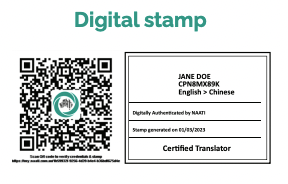
NAATI introduced its digital stamp earlier this year, marking a significant step forward. This initiative holds benefits for both clients and practitioners alike. The digital stamp not only instills confidence in clients regarding the authenticity of their NAATI translation, but it also provides two additional methods for them to verify NAATI-translated documents.
Video Tutorial for Generating NAATI Digital Stamp and ID Card
MFA Set-up
The video demonstrates the process of establishing multi-factor authentication (MFA), connecting MFA with your My NAATI account, and addresses typical challenges encountered during this procedure. It provides a comprehensive, step-by-step walkthrough for configuring your multi-factor authentication, ensuring a smooth setup experience.
Timeline of MFA Configuration
Step 1 Begin by logging into your NAATI account.
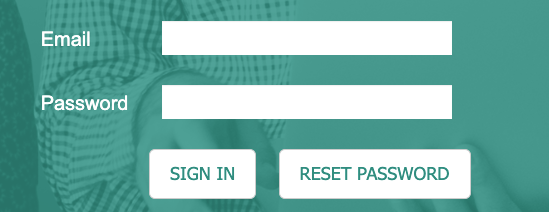
Step 2 Locate and download the MFA application onto your smart device.
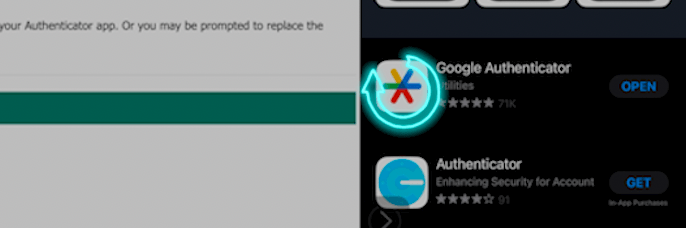
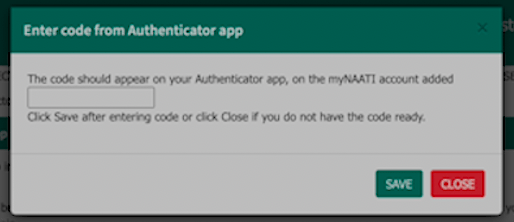
Step 3 Proceed to configure your MFA within My NAATI.
Step 4 Generate your NAATI digital stamps and digital ID card.
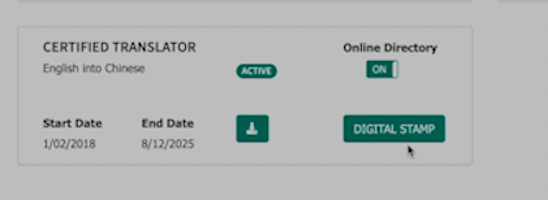
Ways to Verify a NAATI Translation for Clients
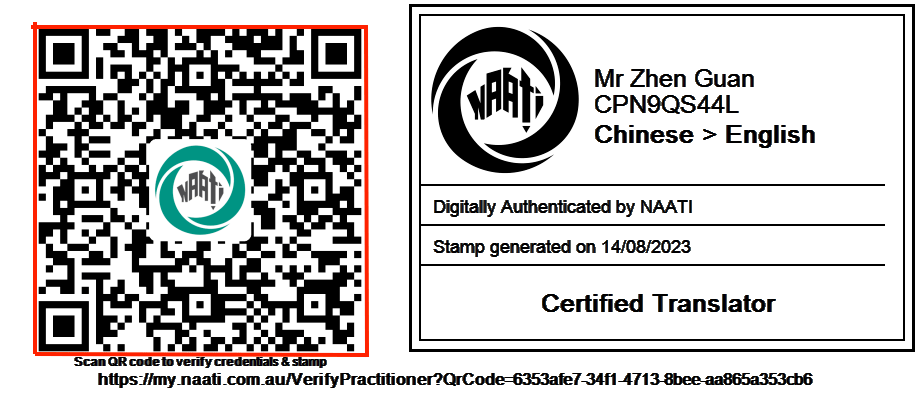
Scan the QR Code – NEW!
By scanning the QR code found on the digital translator stamp or ID card.
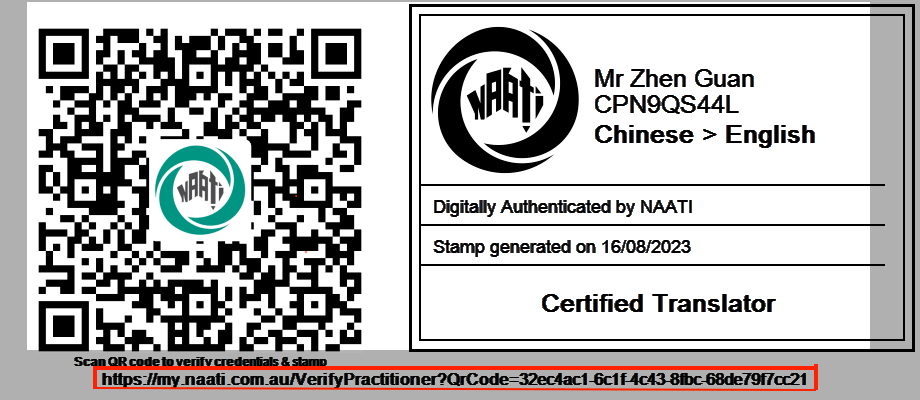
32-Character identifier – NEW!
By entering the unique 32-character identifier located below the QR code on the digital stamp.

CPN No. for Verification
By using the “Verify a Credential” tool on the NAATI website allows users to input the CPN number for verification.

So what does it mean for practitioners and clients?
For Practitioners
Pros
Cons
- No waiting period for recertification.digital stamp can be instantly downloaded.
- Enhanced security features are incorporated.
- The stamp is automatically generated with accompanying dates.
- Signatures are no longer obligatory.
- Requires an internet connection for operation.
- Relies on a smart device.
- Necessitates the download of an authenticator app for activation.
- For translations completed on different dates, practitioners must create a new stamp online each time, accessible through their My NAATI account.
- Used digital stamps must be either discarded or stored as per the practitioner’s discretion.
For Clients
Pros
- Quick verification of the translator’s status can be done by scanning the QR code on the digital stamp or ID card.
- The authenticity of the NAATI stamp can be easily confirmed by entering the unique 32-character identifier below the QR code.
Cons
- No reported disadvantages for clients thus far.
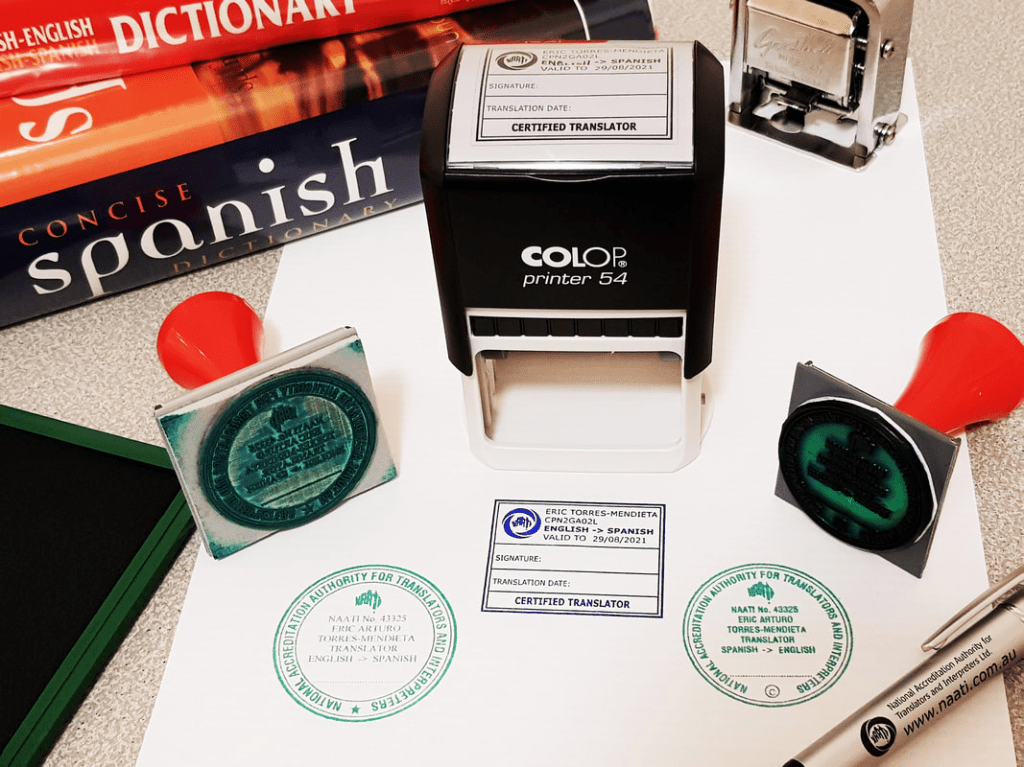
Standard Physical NAATI Certification Stamps
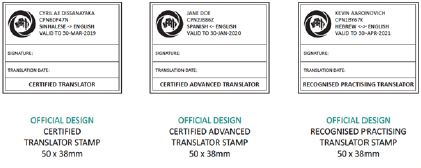
It’s important for clients to understand that NAATI stamps issued to practitioners through the NAATI certification system, including certified translators, certified advanced translators, or recognised practicing translators, will appear as depicted in the provided images.
Old NAATI Accreditation Stamps
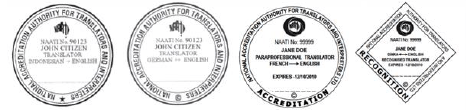
NAATI no longer issues certain stamps issued under the old accreditation system before January 2018. Translations containing these stamps, however, retain their validity indefinitely. Clients should confirm with the requesting agency whether the accreditation stamp is still acceptable.
Common confusion surrounds the validity of NAATI translations.
Does a NAATI translation has an expiry date?
NAATI translations do not have an expiry date. Even if the “valid to” date on the NAATI stamp has passed, the translation itself remains valid indefinitely.
My NAATI translation has a stamp from the old accreditation system. Can I still use it?
Translations featuring stamps from the old accreditation system are still usable. It’s advisable for clients to check with the requesting agency regarding the acceptance of such stamps.
What if there is a mismatch between “Valid To” Date and Completion Date on my translation?
If the “valid to” date on the NAATI stamp has already passed while the translation was completed later, such as the stamp indicating “Valid to 1 July 2023” and the translation being finished on 1 August 2023, clients should initially consult with their translator. This discrepancy may arise from the accidental use of an old NAATI stamp.
NAATI’s perspective emphasises that if a translation is completed before the expiration date (“valid to” date) mentioned on the stamp, falling within the valid period, it should be accepted wherever submitted. However, the opposite scenario might not hold true.




 BL Translations