
In the initial half of 2023, we have observed a notable change in the requirements set by the Department of Foreign Affairs and Trade (DFAT) concerning translations submitted by NAATI (National Accreditation Authority for Translators and Interpreters) credentialed translators. This alteration has necessitated certain modifications to the information included in translated documents. For more information, please visit https://www.naati.com.au/information-guides/dfat-requirements-for-translators/
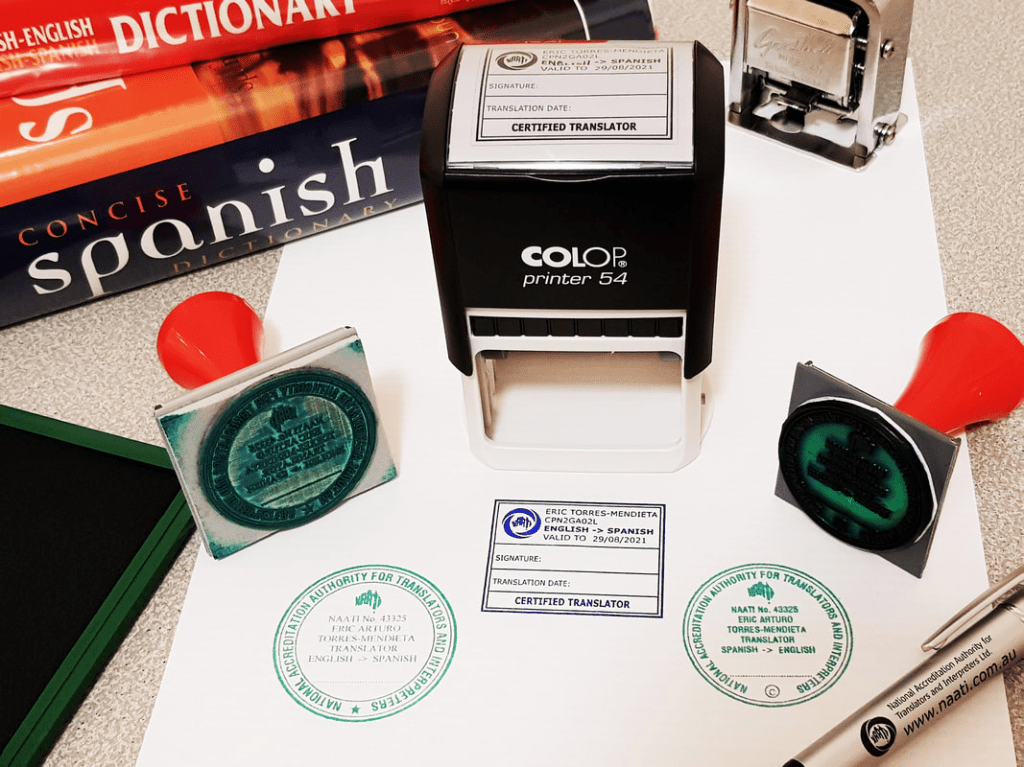
Recent occurrences indicate that DFAT now mandates specific criteria for the NAATI stamp affixed to translations of documents such as birth certificates. The previous NAATI accreditation stamp, which might have been used in the past, is no longer universally accepted. Consequently, several clients have encountered situations where their translated documents, carrying the old NAATI accreditation stamp, were deemed inadequate by DFAT and required re-stamping.
Clients seeking translations for official documents that warrant authentication or apostille from DFAT, such as marriage certificates or birth certificates issued by Australian government agencies, are advised to take note of the following changes:
- Preferential NAATI Certification Stamp: For smoother processing and acceptance by DFAT, it is recommended to engage a NAATI certified translator who possesses the updated NAATI certification stamp.
- Ineffective Old NAATI Stamp: Translations accompanied by the previous NAATI accreditation stamp might face potential rejection by DFAT.
Key Considerations for Clients:
01
DFAT Requirements:
Opt for a NAATI certified translator who is equipped with the acceptable NAATI stamp, ensuring your translated documents meet DFAT’s standards. This is a decision made by DFAT, not NAATI or the practitioner.
02
NAATI Stamp Clarification:
Confirm with your NAATI translator whether they possess the appropriate NAATI certification stamp before proceeding with the translation, i.e. its level, language direction, shape, etc.
03
NAATI Translator Registration:
Your NAATI translator’s registration with DFAT can be aligned with the translation process and does not necessarily need to precede it.
Implications for Practitioners:
In cases where clients require a re-translation or re-stamping of official documents to meet DFAT’s revised criteria, practitioners should take the following steps:
- Communication with Clients: Clearly communicate the type of NAATI stamp you possess (certification stamp or accreditation stamp, etc.).
- Ensure Signature and Stamp Registration: Ensure that your signature and stamp are registered with DFAT in advance. This facilitates DFAT’s certification of your credentials.
- Prompt Response to Client Requests: If a client requests re-stamping due to DFAT’s stipulations, act promptly. If your signature and stamp are not already registered, the client will likely notify you of DFAT’s requirement.
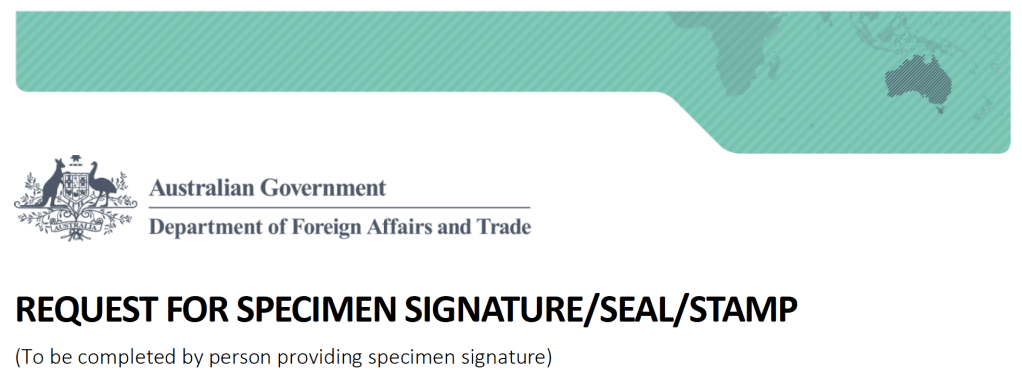
- DFAT Verification Process: Initiate the DFAT verification process by contacting their verification/legalisation area. Upon request, you might receive a “Request for Specimen Signature/Seal/Stamp” form.
- Form Submission: Complete the form as per the instructions and return it to DFAT. This step finalises the verification process, and DFAT might subsequently notify your client of the acceptance of the NAATI translation.
For Queensland-based practitioners, you can contact DFAT’s relevant business area via email at authentications.qld@dfat.gov.au. Despite the perceived lengthiness of the process, DFAT often acts promptly. The verification process usually takes 1-2 business days, although variations might arise across different DFAT offices.
The required information for submission to DFAT is straightforward and includes details such as the credential issuer, business name, position, address, email, phone number, NAATI Practitioner Number (CPN number), and validity period. Adhering to these guidelines will aid in a smooth translation process that aligns with DFAT’s updated regulations.




 BL Translations