
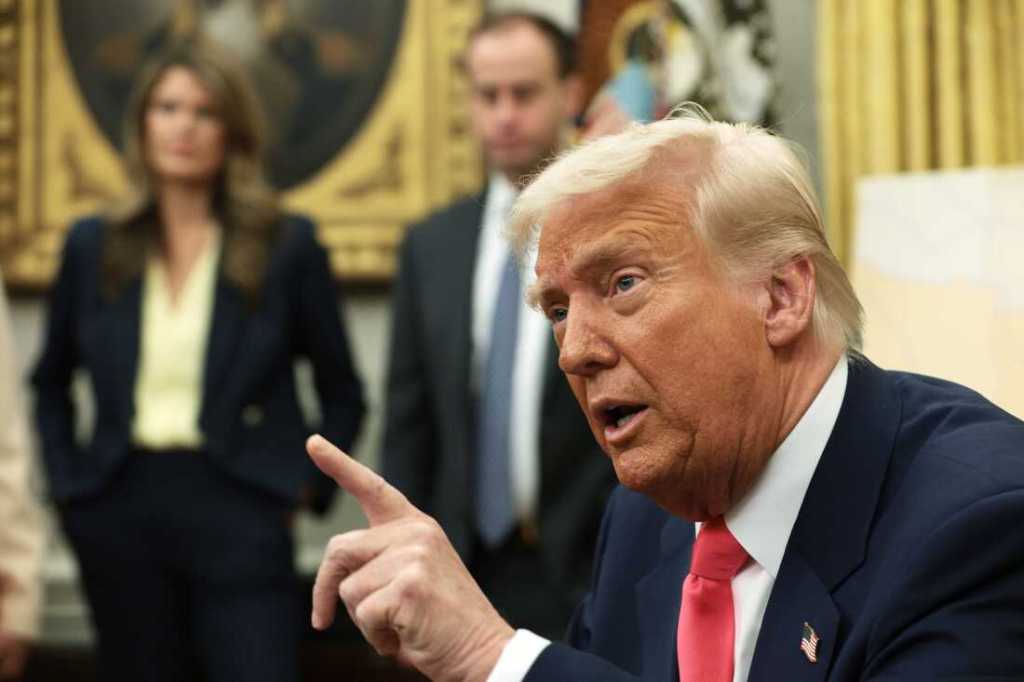
On March 1, President Donald Trump signed an executive order making English the U.S.’s sole official language, revoking a 2000 mandate that required federal agencies to provide language access for non-English speakers. This move could cut millions off from essential services.
Despite the U.S.’s long history of multilingualism—one in five Americans speaks more than one language—the English-only movement has gained traction, driven by fears over Spanish’s rising influence. Over 30 states have already declared English their official language.
Trump’s CPAC 2024 remarks reflect this stance:
“We have languages coming into our country… These are languages nobody has ever heard of. It’s a very horrible thing.”
Yet history shows the U.S. has functioned without an official language for centuries. This order reflects political ideology, not necessity.
The Real-World Consequences
Beyond its symbolic significance, this executive order raises serious concerns about access to essential services. Courts, hospitals, and schools rely on interpreters to ensure fair treatment. Without translation support, non-English speakers may struggle with legal, medical, and educational matters, putting lives at risk.
Moreover, restricting languages can have unintended consequences. History has shown that imposing language limitations often leads to greater resistance. People are not stupid; they know they need to learn English to survive and succeed. They will make varying efforts to do so. However, when communities feel restricted or excluded, their loyalty to the nation can waver. Limiting access to language and culture can backfire, as seen with travel restrictions during COVID-19, which only increased people’s desire to move freely. Similarly, businesses use scarcity tactics like “limited-time offers” to create urgency—telling people they can’t do something often makes them want to do it more.

Psychological reactance could push people to embrace their languages and cultures more strongly, deepening social divisions rather than fostering unity.
While I won’t comment on other policies of this administration, setting English as the official language and restricting the use of other languages is likely to weaken, not strengthen, national cohesion—just as we’ve seen in other countries where minority languages and cultures have been suppressed.
Language shapes identity, community, and opportunity. Instead of limiting linguistic diversity, the U.S. should embrace its multilingual reality as a strength, not a threat.
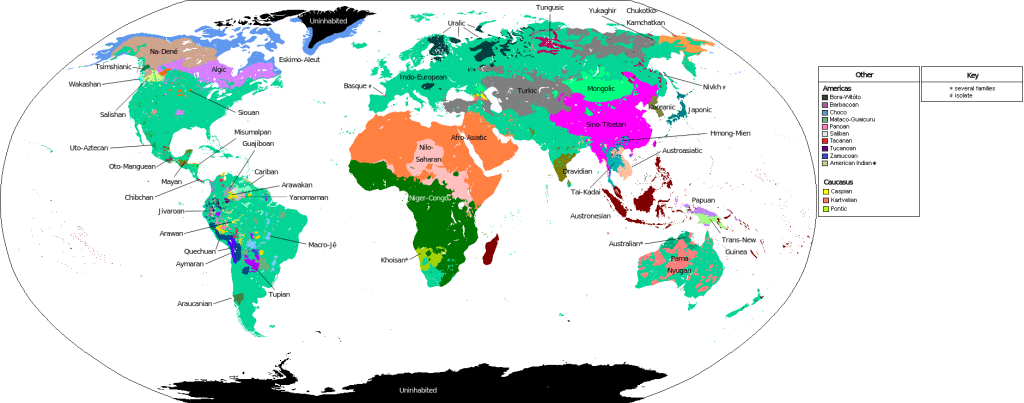
Australia’s Multilingual Edge: A Gateway to Talent and Global Opportunity

Australia is one of the most multicultural nations in the world, and the numbers prove it. Nearly 30% of Australians were born overseas, and almost 50% have at least one parent born abroad. More than 5.5 million people speak a language other than English at home, reflecting the diverse fabric of modern Australia. But is this diversity a strength or a financial burden?
Investing in Language Services: Cost or Connection?
Critics argue that Australia’s investment in translation and interpreting services is an unnecessary expense. But the reality is different. These services do more than just assist non-English speakers—they connect Australia to global markets, attract top international talent, and ensure social cohesion. In a world where businesses operate across borders, multilingualism is an asset, not a liability.
Multinational professionals don’t just look at wages when choosing a country to settle in—they seek safety, inclusivity, and a welcoming society for themselves, their children, and their aging parents.
No one in their right mind would willingly move to a place where locals are hostile to newcomers, no matter how promising the economy may be. Australia’s multilingual and multicultural reputation makes it a preferred destination for skilled migration, strengthening its workforce and innovation sectors.

Australia’s Path: A Global Player, Not a Follower
As geopolitical tensions shift, Australia must define its own course. While our historical ties with the U.S. are strong, we should not blindly follow its path. Unlike the U.S., where English-only policies are gaining traction, Australia—like Canada—thrives on its diversity.
With increasing global disconnect, Australia has a choice: embrace its multilingual advantage or risk isolation. A country that welcomes diversity fosters stronger economic ties, a richer cultural landscape, and a future that is open to the world. The question is not whether multilingualism is a burden—it’s whether we can afford to turn our backs on its benefits.
Join the Conversation
More to read
Trump’s English language order upends America’s long multilingual history
What are your thoughts on this policy? Share your views using #MultilingualAmerica #LanguageRights #DiversityMatters #EnglishOnlyDebate #LinguisticFreedom #MulticulturalAustralia #GlobalConnections #InclusionMatters #LanguageDiversity #AustraliaFuture.





 BL Translations