
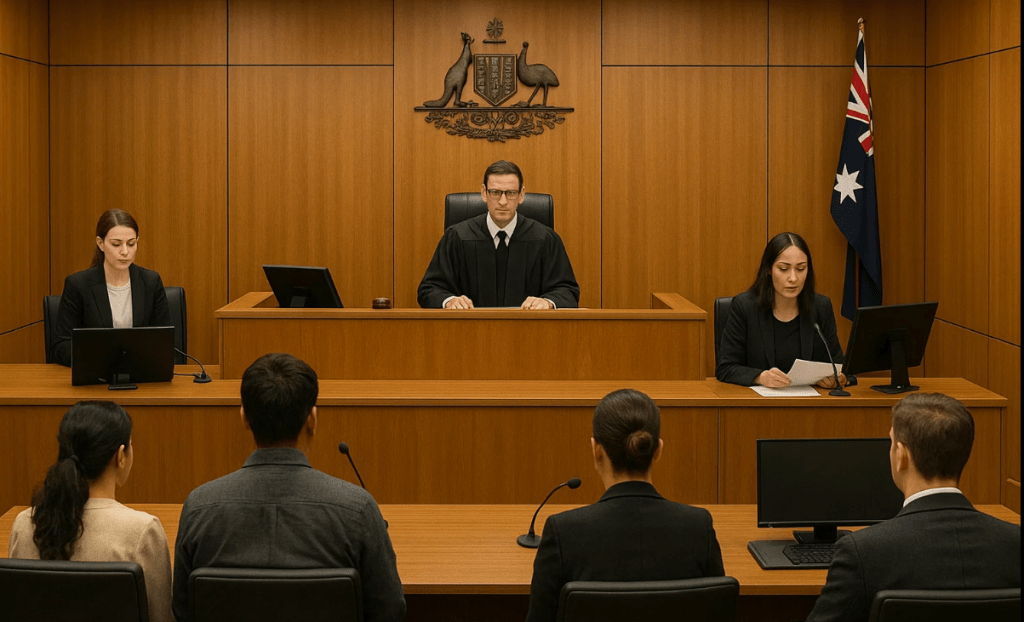
A Directions Hearing, Callover or Case Management Hearings at the Federal Court are typically a short, administrative session that involves several applicants in migration-related judicial review matters.
What Happens at a Federal Court Directions Hearing?
In a directions hearing for migration matters in Australia (typically before the Federal Circuit and Family Court of Australia or the Federal Court), the parties usually involved are:
- The Applicant
– This is the person who has filed for judicial review of a migration decision (e.g. a visa refusal or cancellation decision by the Minister or the Administrative Review Tribunal). - The Respondent
– This is usually the Minister for Immigration. The Minister is legally represented by a lawyer. - The Court Registrar or Judge
– The judicial officer presiding over the hearing, typically setting deadlines and procedural steps (like filing of affidavits, outlines of submissions, etc.). - Legal Representatives (if any)
– Either or both parties may have legal counsel or solicitors representing them, although it is rare to see any legal representation from the applicant at this type of hearing. Self-representation is the norm for the vast majority of applicants.
Before your hearing of your substantial claims takes place, the Federal Court will schedule one or more Directions Hearings or callovers. These sessions are designed to:
- Provide information on the progress of your case and what is the next step.
- Advise the type of the hearing for the next step.
- Check whether the applicant has since updated his/her contact details.
- Check whether the applicant has received and still keeps a copy of the court book.
- If a minor is involved, the court may request you, the legal guardian, to serve as the minor’s litigation guardian.
- Set deadlines for filing documents (such as amended applications and its particulars, relevant submissions and evidence)
Group Sessions Are Common
In migration cases, especially those involving multiple same LOTE-speaking applicants, the court may schedule several applicants to appear in the same time slot. This helps the court manage its time more efficiently.
A single interpreter is usually arranged to assist all applicants speaking the same language during this session. The registrar (court official) may speak to the group first, giving general instructions, and then call on each applicant individually. For example, I have worked with many Indian language interpreters in a direction hearing, and we receive instructions from the judicial registrar and take turns interpreting for different linguistic groups.
Therefore, it is crucial for the LOTE speaker to listen attentively to the interpreter, particularly in remote settings, to ensure that each applicant has their opportunity for direct, one-on-one communication with the registrar.

If the registrar has not yet called your file number or spoken to you, please make sure your phone is on silent. This helps avoid disrupting communication between other applicants and the registrar, and ensures the hearing process runs smoothly so that everyone can clearly hear and respond to the court’s instructions.
If it is about reviewing a decision of a protection visa, the registrar will not use your real name in the group hearing. Instead, you will be addressed as ‘Madame Applicant’ or ‘Sir Applicant’ to protect your identity. The court will call you by your file number, which will be interpreted by an interpreter if interpreting is requested.
Key points to take away
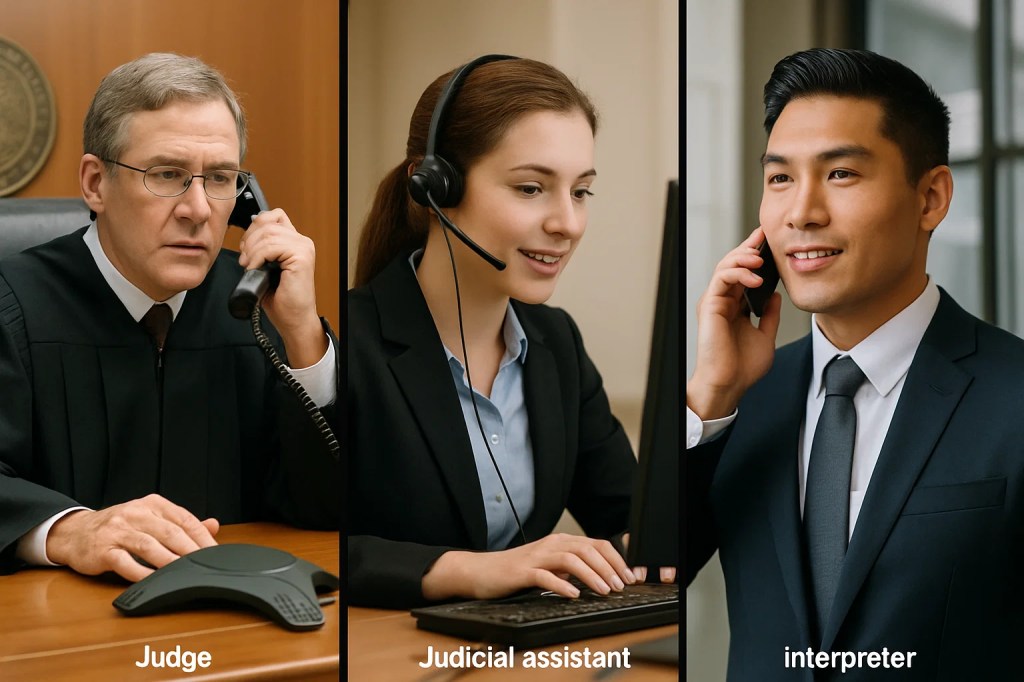
- The Directions Hearing may take place by phone or video link.
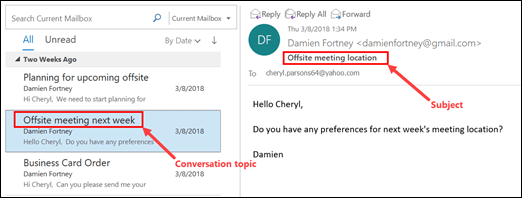
- Applicants may wait on the line and listen in until their file number is called, and their file number should appear in the subject line of the email notification from the federal court about the scheduled hearing.
- The court-provided interpreter will interpret for each applicant as needed.
- Applicants should not ask another person or friend to provide language facilitation.
- If the disputed case involves a protection visa, the applicant should not use their real name in the hearing, including any names of secondary applicants or minors.
- If you are using a different phone number to join the directions hearing, the registrar may check if you have updated your phone number.
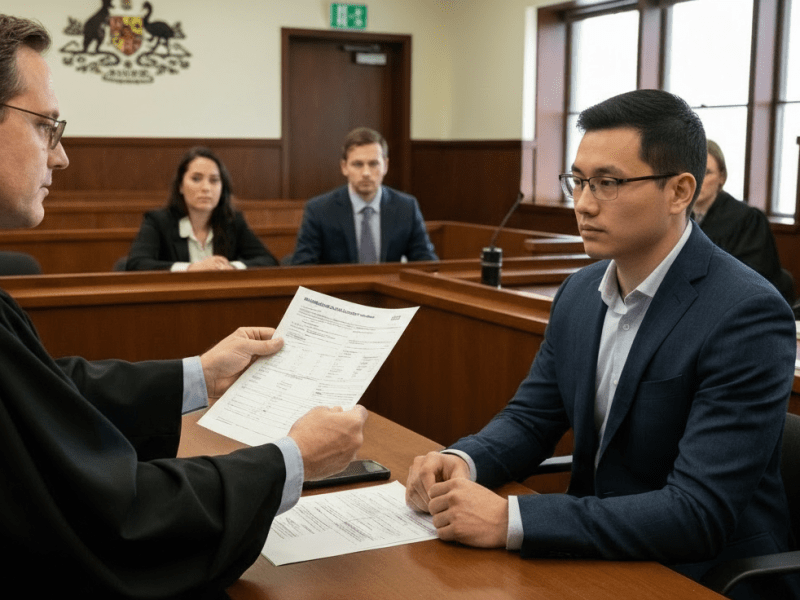
It’s Usually Brief
These hearings are short — often just a few minutes per applicant.
You will usually only be asked basic questions, such as:
- “Mr Applicant, the court case will proceed to a judge to hear your extension of time application.”
- “Madam applicant, do you still have your court book sent by the minister’s lawyer?”
- “Have you updated your postal address?”

This information helps applicants feel prepared and less anxious about this stage.
Disclaimer:
The information contained in this article is provided for general informational purposes only and does not constitute legal advice. Nothing in this publication should be relied upon as a substitute for professional legal advice tailored to your individual circumstances. BL Translations, and any person acting on its behalf, does not accept any responsibility or liability for any loss, damage, or expense incurred as a result of reliance on the information provided herein. If you require legal assistance, you should seek advice from a qualified solicitor or legal practitioner.





 BL Translations