

If you’re planning to apply for a skilled migration visa — such as subclass 189, 190, or 491 — here’s some good news:
The Department of Home Affairs does not require you to hold an Australian occupational licence before you apply for or receive your visa.
🧾 Step 1: What You Do Need
Before you apply, you’ll need to show that you’re qualified for your nominated occupation. This includes:
- A positive skills assessment from the relevant assessing authority (such as VETASSESS, TRA, or Engineers Australia)
- Proof of your work experience, English proficiency, and qualifications that align with your ANZSCO occupation
Whether you’re onshore in Australia or applying offshore, you can still apply without an Australian licence.
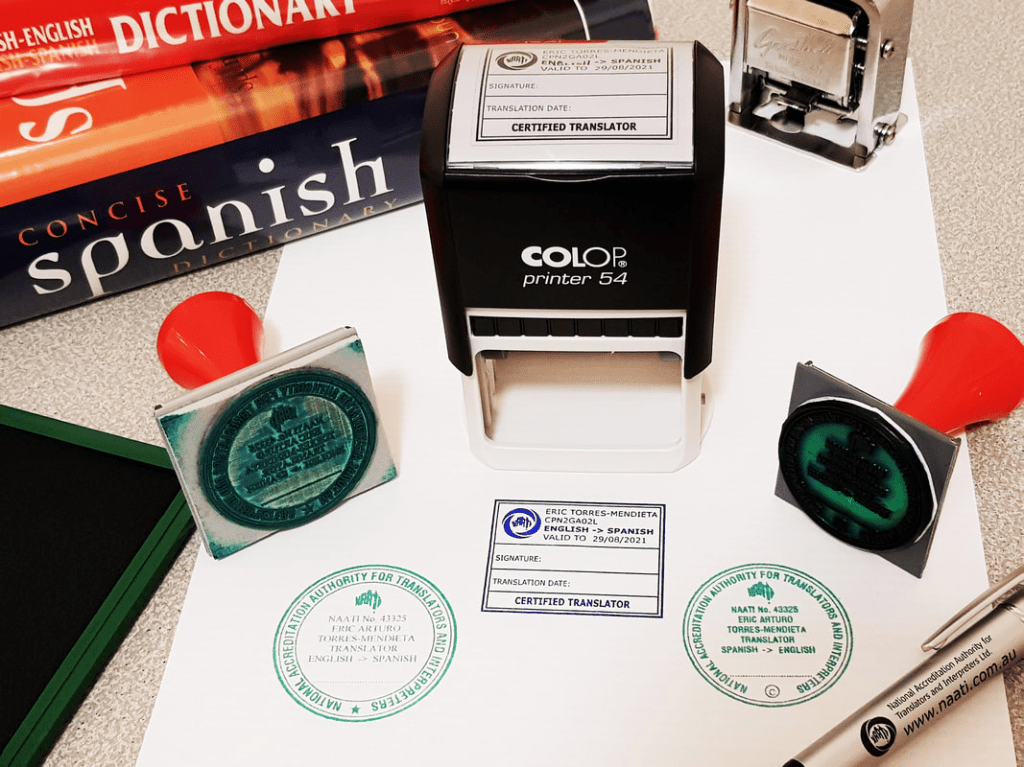
The only exception is for certain professions where licensing is part of the skills assessment itself — for example, interpreters and translators. In these cases, candidates must first pass the NAATI certification test before NAATI can issue a positive skills assessment.

⚙️ Step 2: Skills Assessment Requirements
Some assessing authorities — particularly for licensed trades and regulated professions — will check whether you meet Australian licensing standards, even if you haven’t yet obtained the actual licence.
Examples include:
- Electricians, plumbers, motor mechanics, and hairdressers → assessed by TRA (Trades Recognition Australia) under programs like OSAP or the Job Ready Program.
- You’ll need to prove that your overseas qualifications and experience are equivalent to Australian standards.
- You don’t need to hold a licence yet, but you’ll need one later if you plan to work in Australia.
- Teachers, nurses, doctors, and engineers → assessed by authorities such as AITSL, ANMAC, the Medical Board, or Engineers Australia.
- You don’t need full registration for your skills assessment, but you must be eligible for registration in Australia.

🪪 Step 3: Licensing for Work in Australia
Once you’ve been granted your visa, it’s time to get ready for professional practice.
If your occupation is licensed or regulated, you’ll need to obtain the local licence or registration before you can legally work in Australia.
For example:
- Electrician → Apply for a state or territory electrical licence
- Nurse → Register with AHPRA
- Teacher → Register with your state or territory teaching authority
This process usually takes place after your visa is granted or once you’ve arrived in Australia.
✅ In Summary
You don’t need an Australian licence to apply for a skilled migration visa — but you do need a positive skills assessment that demonstrates your eligibility. Licensing becomes essential only after you migrate and begin working in your chosen occupation.
#SkilledMigrationAustralia #AustralianVisa #SkillsAssessment #VETASSESS #TRA #NAATI #EngineersAustralia #AITSL #ANMAC #MigrationPoints #WorkinAustralia #AustralianLicence #MigrationTips #StudyinAustralia #NAATItranslator #AustralianJobs



 BL Translations