

Ensuring Your Overseas Documents Are Apostille-Ready
For anyone preparing documents for use overseas—whether for visas, study, migration, marriage, or business—knowing which countries accept Apostilles (instead of consular authentication) is essential.
Since 2015, a significant number of jurisdictions have joined the Hague Convention Abolishing the Requirement for Legalisation of Foreign Public Documents (Apostille Convention).
From that date onward, documents issued in these countries can go straight through the Apostille process, making legalisation faster, cheaper, and simpler.
Below is a comprehensive list of countries that entered the Apostille Convention from 2015 onwards, presented in an easy 5-column table with flags, entry-into-force dates, and continent classification.
Countries with large communities living in Australia are specially marked with:
➡️ ⭐ HIGHLIGHTED COUNTRIES
New Apostille Convention Members (Entry Into Force ≥ 2015)
| No. | Country | Flag | Entry Into Force | Continent |
|---|---|---|---|---|
| 1 | Burundi | 🇧🇮 | 13 Feb 2015 | Africa |
| 2 | Kosovo | 🇽🇰 | 14 Jul 2016 | Europe |
| 3 | ⭐ Brazil | 🇧🇷 | 14 Aug 2016 | South America |
| 4 | Morocco | 🇲🇦 | 14 Aug 2016 | Africa |
| 5 | ⭐ Chile | 🇨🇱 | 30 Aug 2016 | South America |
| 6 | Guatemala | 🇬🇹 | 18 Sep 2017 | North America |
| 7 | Tunisia | 🇹🇳 | 30 Mar 2018 | Africa |
| 8 | Bolivia | 🇧🇴 | 7 May 2018 | South America |
| 9 | Guyana | 🇬🇾 | 18 Apr 2019 | South America |
| 10 | Palau | 🇵🇼 | 23 Jun 2020 | Oceania |
| 11 | ⭐ Singapore | 🇸🇬 | 16 Sep 2021 | Asia |
| 12 | Jamaica | 🇯🇲 | 3 Jul 2021 | North America / Caribbean |
| 13 | ⭐ Indonesia | 🇮🇩 | 4 Jun 2022 | Asia |
| 14 | Saudi Arabia | 🇸🇦 | 7 Dec 2022 | Asia |
| 15 | Senegal | 🇸🇳 | 23 Mar 2023 | Africa |
| 16 | ⭐ Pakistan | 🇵🇰 | 9 Mar 2023 | Asia |
| 17 | ⭐ People’s Republic of China | 🇨🇳 | 7 Nov 2023 | Asia |
| 18 | ⭐ Canada | 🇨🇦 | 11 Jan 2024 | North America |
| 19 | ⭐ Bangladesh | 🇧🇩 | 30 Mar 2025 | Asia |
* Please note that this table highlights only the new additions over the last ten years. It should therefore be read together with the broader list of Hague Convention members that joined prior to 2015.
Why These Changes Matter
With more countries joining the Apostille Convention, the legalisation process becomes significantly easier for:
- migrants and international students
- Australians with family overseas
- businesses expanding into new markets
- import/export and cross-border trade
- anyone needing to use Australian or foreign documents internationally
The highlighted countries—Brazil, Chile, Singapore, Indonesia, Pakistan, the PRC, Canada, and Bangladesh—represent communities with strong and growing populations in Australia.
This shift towards Apostille recognition reduces waiting times, costs, and administrative complexity for many Australian residents and visa applicants.
The Importance: What Apostille Means for Your Documents
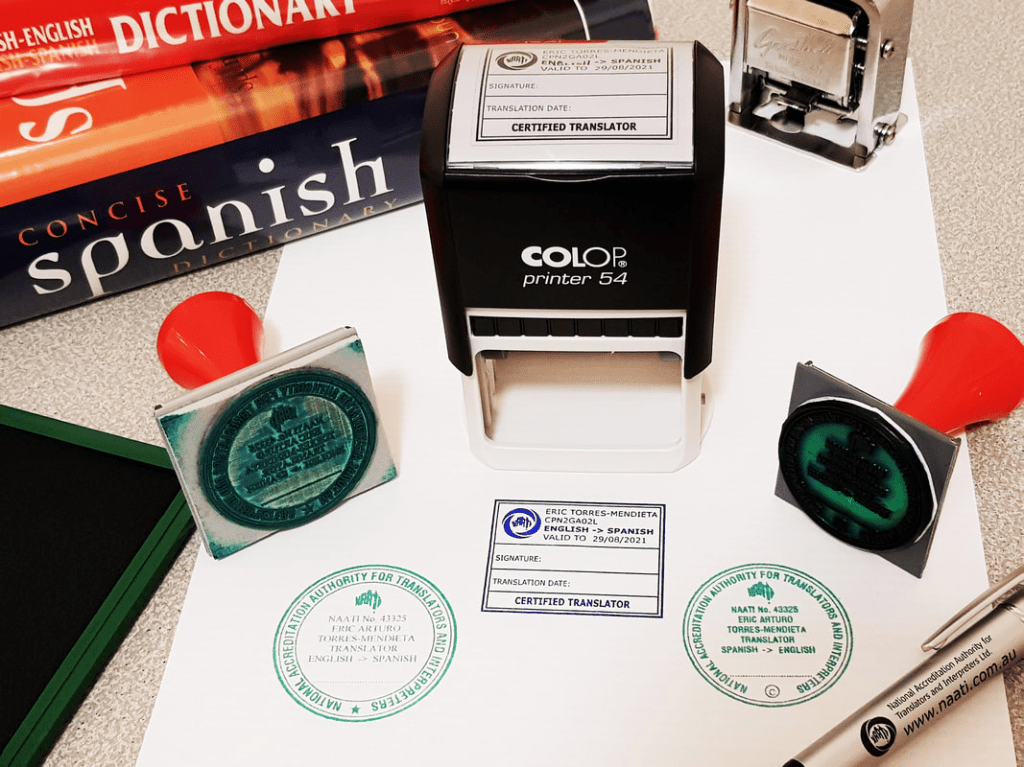
If a country appears on the Apostille Convention list, official documents issued by Australian government agencies, organisations, and officials—including NAATI-certified translations—only need an Apostille issued by DFAT through the legalisation process.
This means the document no longer requires consular authentication from that country’s embassy or consulate in Australia.
However, BL Translation strongly recommends that clients first confirm with the requesting authority in the destination country to ensure there are no additional requirements (such as certified copies, bilingual formats, or agency-specific forms) before contacting DFAT or engaging NAATI-certified translators.
This helps avoid unnecessary delays, rework, or extra submissions later in the process.
#HagueConvention #Apostille #DocumentLegalisation #DFAT #NAATI #NAATITranslator #MigrationAustralia #InternationalStudents #ApostilleConvention #AustralianDocuments #ConsularServices #GlobalMobility #Legalisation #TranslationsAustralia #MulticulturalAustralia #OverseasDocuments #BLTranslation




 BL Translations