

As we are quickly moving towards 2025 Christmas, NSW will cease its experienced driver recognition (commonly known as EDR) category on 1 February 2026. Licence holders from these countries will be required to pass a road rules test and a practical driving test to get a Queensland licence, regardless of their age.
Acceptable Translations
Driving with an Overseas Licence
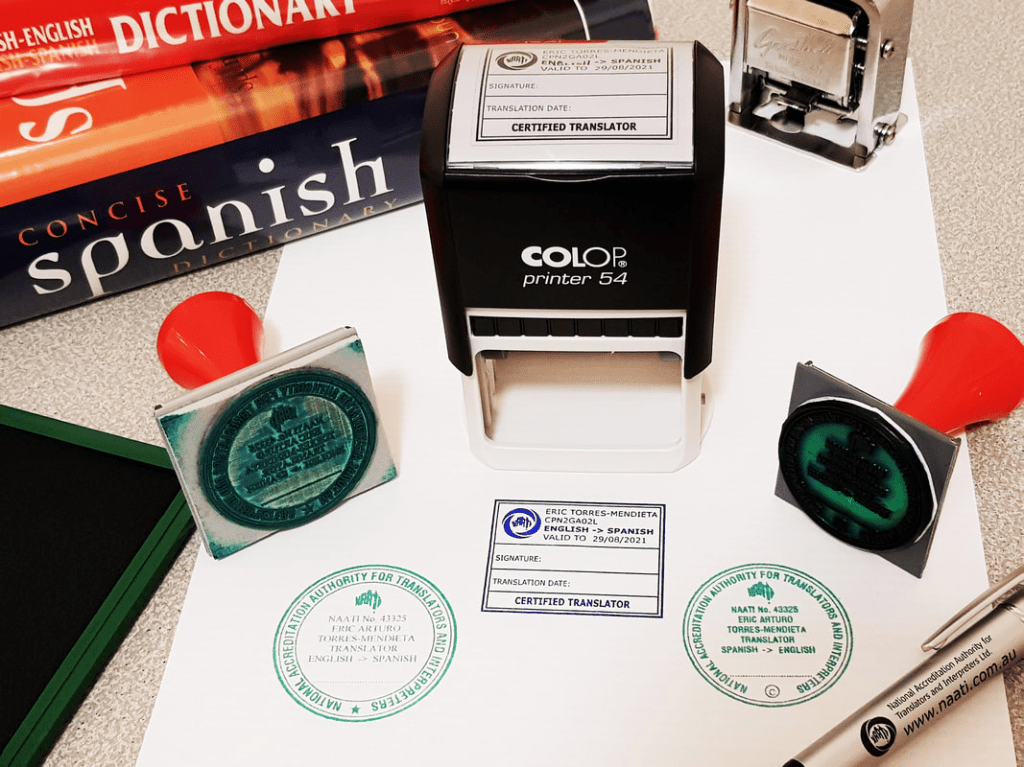
Transport for NSW accepts NAATI-certified translations by NAATI-certified translators but does not specify whether the original translation document is required.
Converting an Overseas Licence
Transport for NSW accepts NAATI-certified translations only if they are produced by
- Multicultural NSW – [State Government Translation Agency]
- Department of Home Affairs [Federal Government Translation Agency]
- Consulate-General of the Republic of Korea [Korean language only]
- Taipei Economic and Cultural Office [Traditional Chinese only]
Only original translation documents can be accepted; scanned copies are not permitted.
Ausroads Updates
Australia’s Recognised Country Scheme has long made it easier for overseas drivers from certain countries—like the UK, Italy, France, Spain, Germany and Greece—to convert their licences without additional testing. These nations are considered to have driver training and testing systems on par with Australia’s.
But what about countries such as Taiwan, Hong Kong, and South Africa?
Until now, drivers from these regions have benefited from the Experienced Driver Recognition (EDR) pathway. If you’re 25 years or older and have held your licence for at least 12 months, you could usually exchange your licence without sitting local tests.
🔄 The Update: EDR Is Being Phased Out
Austroads—the body overseeing driver licensing standards—has announced some big changes:
- EDR finished in the ACT, NT, SA and VIC (April 2025), and subsequently ended in WA (31 Oct 2025), TAS (1 Nov 2025) and QLD (29 Nov 2025).
- It will soon end in NSW – Feb 2026.
After these deadlines, drivers from countries such as Taiwan, Hong Kong, and South Africa will no longer be able to swap licences through EDR. Instead, they will need to complete extra training and likely undertake written and practical driving tests before being issued an Australian licence.
Please refer to a full list of the EDR countries below.
- 🇧🇬 Bulgaria
- 🇨🇿 Czech Republic
- 🇪🇪 Estonia
- 🇭🇺 Hungary
- 🇭🇰 Hong Kong (SAR of the PRC)
- 🇱🇻 Latvia
- 🇱🇹 Lithuania
- 🇵🇱 Poland
- 🇨🇾 Republic of Cyprus
- 🇰🇷 Republic of Korea (South Korea)
- 🇷🇸 Republic of Serbia
- 🇷🇴 Romania
- 🇸🇰 Slovakia
- 🇸🇮 Slovenia
- 🇿🇦 South Africa
- 🇹🇼 Taiwan
🌏 Why This Matters
Who will be most affected by this change?
This change will have the greatest impact on people who are required to transfer their overseas driver’s licence to an Australian state or territory licence as a result of obtaining permanent residency. Although the specific requirements vary between jurisdictions, permanent residents generally have no choice but to complete the licence conversion process.
Who will be least affected?
This change will have minimal impact on people coming to Australia for a short stay — including international students, temporary workers on assignment, working holiday makers, and those who have not yet been granted permanent residency. These groups can usually continue to drive on their valid overseas licence with its official NAATI translation for the duration of their temporary stay, subject to local rules.
✅ Key Takeaway
If you hold a licence from Taiwan, Hong Kong, or South Africa and are moving to Australia, check your state’s deadlines carefully. Acting early could save you time, money, and stress.
#Australia #DrivingLicence #Migration #InternationalStudents #Taiwan #HongKong #SouthAfrica #Austroads #EDR #RoadSafety #ExpatLife




 BL Translations